
What Moving Reminded Me About Information Literacy
It had been a minute since I had written anything about information literacy. In my defense, I had moved across the country.
For a while, information literacy took a back seat to figuring out which box my books were in, where the nearest grocery store was, and whether we had remembered to pack something important or had accidentally donated it. But the funny thing is, it never actually turned off. The same skills I use professionally were running quietly in the background the entire time.
Research does not always look like research
When people hear the word research, they often picture something formal: databases, academic articles, long reports, citations, maybe a spreadsheet if things are getting serious. But research is often much less dramatic than that. Sometimes it looks like trying to figure out whether a rental company is actually reputable. Sometimes it is comparing preschools, checking whether a doctor's office really takes your insurance, or deciding whether a veterinary clinic with suspiciously perfect reviews is actually as perfect as it looks.
The process is familiar even when the subject changes. You look for information, evaluate where it came from, compare it with other sources, check whether it is current, and look for context. And, ideally, you pause before trusting the first answer you find.
One source is rarely enough
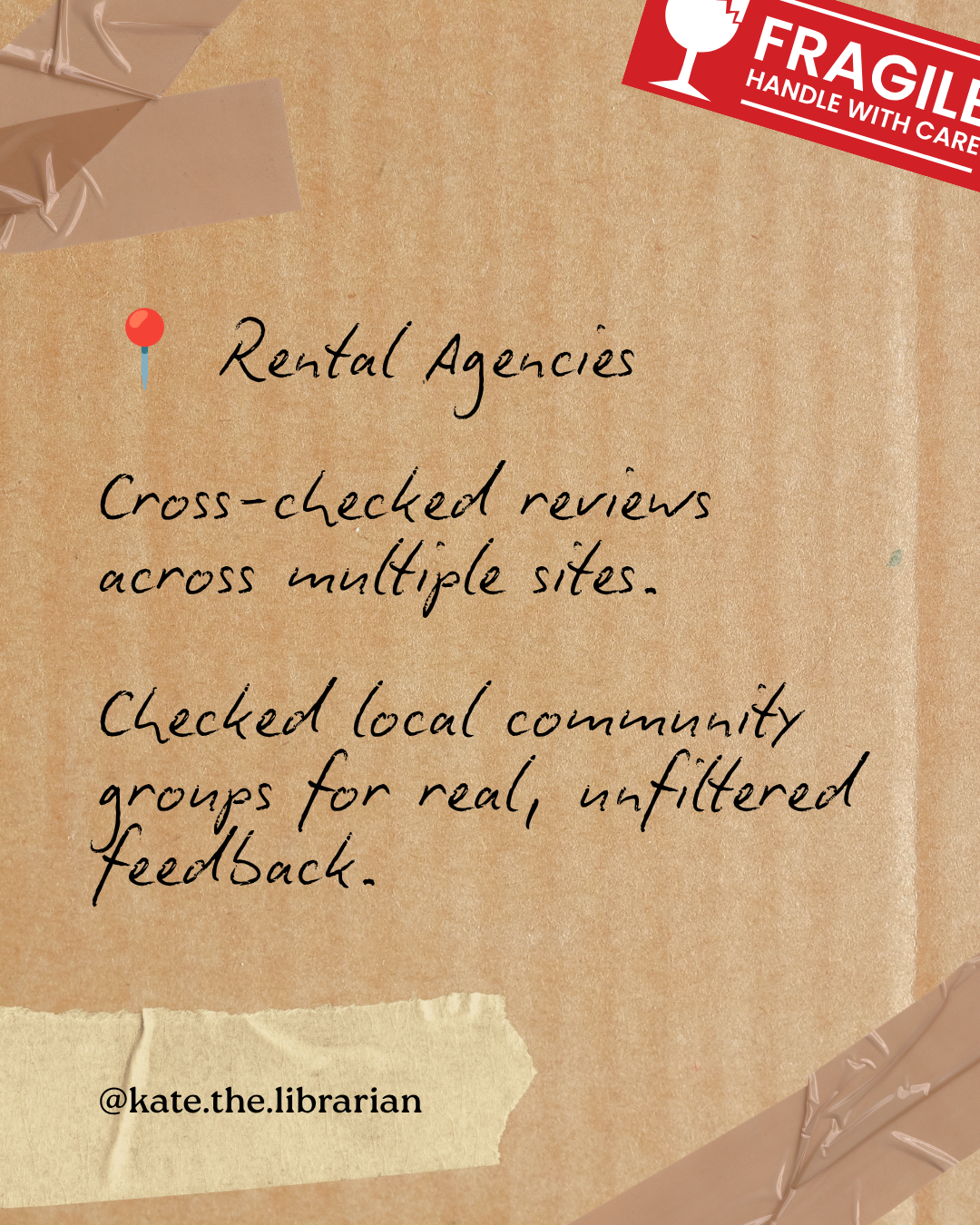
When we were looking at rental agencies, I did not rely on the reviews linked directly from a listing. I checked multiple review sites, looked at local community groups, and compared what the company said about itself with what tenants were saying elsewhere.
One source rarely gives you the whole picture, which is why cross-checking is such a useful information-literacy habit. If a claim matters to the decision you are making, look somewhere else too. A second source may confirm the first one, complicate it, or completely change your understanding. All of that information helps build a fuller picture.
Credentials are the beginning, not the end
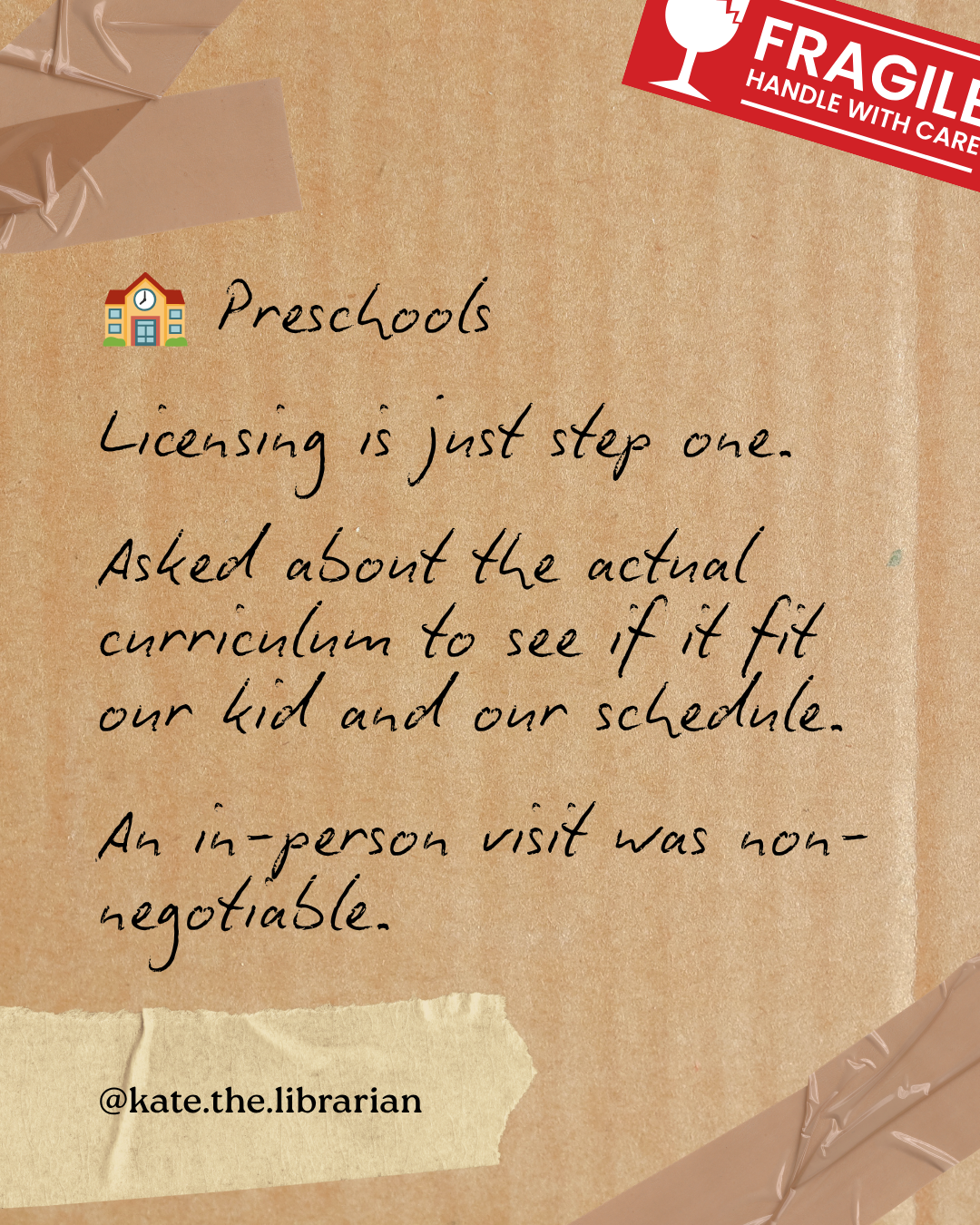
Preschool research was a little different. Licensing mattered, of course, but licensing only told me that a school met a particular set of requirements. It did not tell me whether the curriculum was a good fit for our child, whether the daily schedule worked for our family, what the classroom environment felt like, or whether the school matched what we were actually looking for.
We looked at what was being taught and made an in-person visit non-negotiable before making a decision. That same principle applies to a lot of information we encounter. A credential, certification, or official designation can tell you something important about a source, but it is still only one piece of the picture. The usefulness of that information depends on what you are actually trying to learn or decide.
Sometimes the best source is a phone call
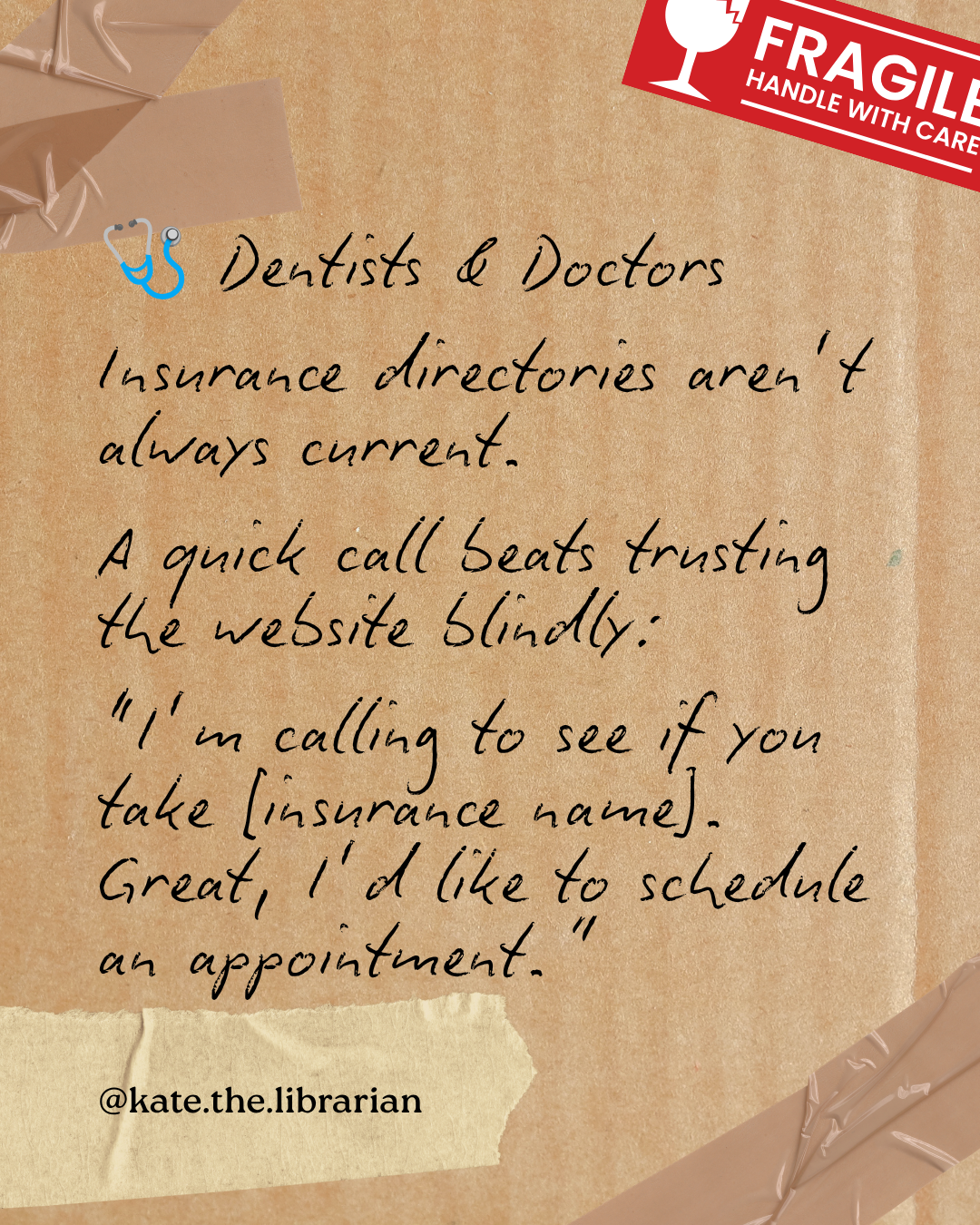
Finding doctors and dentists introduced another problem: outdated information. Insurance directories are useful starting points, but they are not always current, and provider websites can be out of date too. At some point, the fastest and most reliable way to verify the information is simply to ask the source directly.
My usual script is simple: “I’m calling to confirm that you take [insurance name]. You do? Great, I’d like to schedule an appointment.”
Verification is one of those information skills that sounds obvious until you realize how often we skip it. A website says something, so we assume it is still true. A search result gives us an answer, so we move on. A directory lists a provider, so we trust the listing. Sometimes thirty seconds of checking can save a lot of frustration later.
Perfect information can be suspicious too
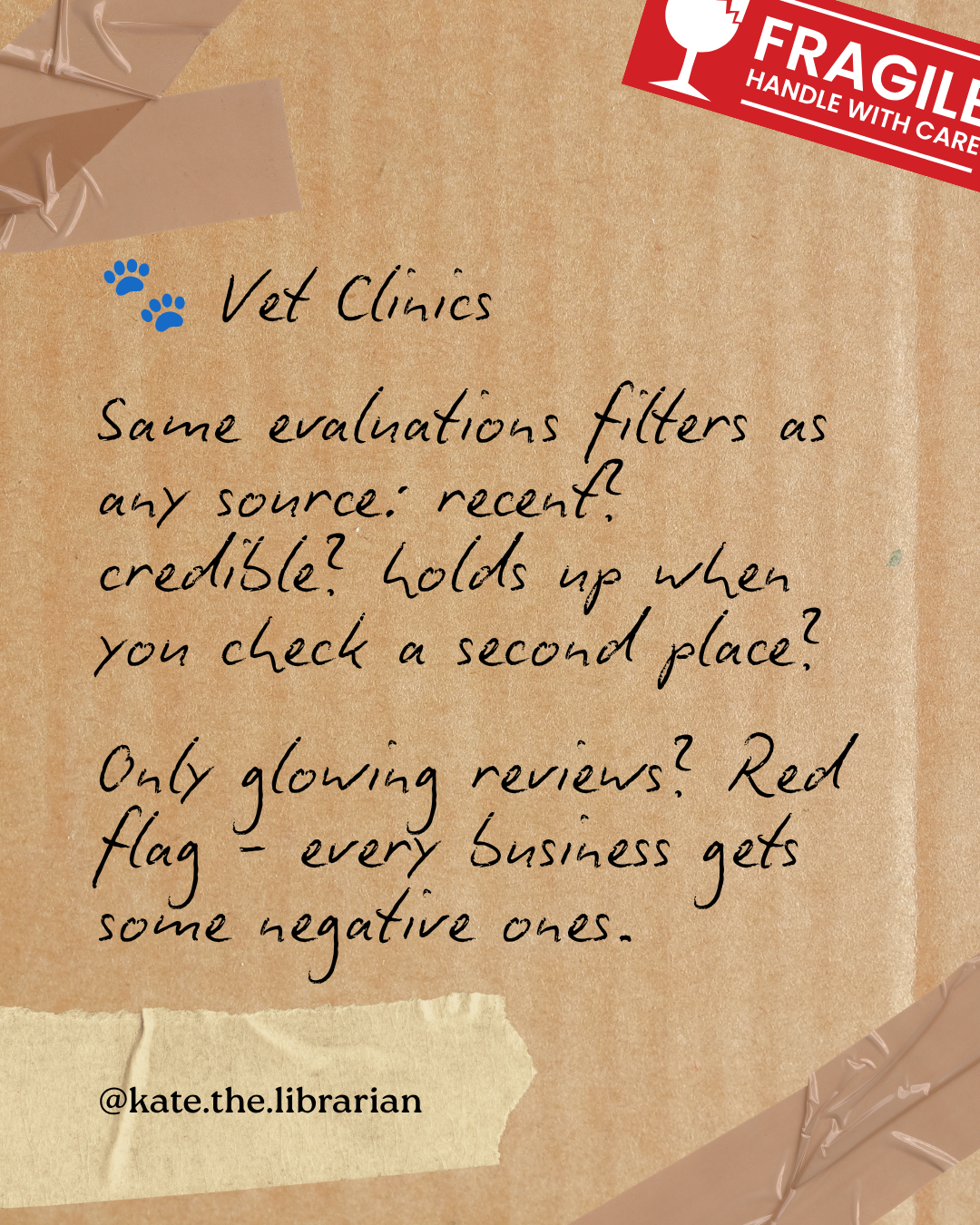
Veterinary clinics brought me back to one of my favorite questions when evaluating information: Does this look realistic? When I read reviews, I expect some disagreement. People have different expectations. Businesses make mistakes. Someone will be unhappy about something. That does not mean every negative review is meaningful, but a complete absence of criticism can make me more skeptical, not less.
If a business has hundreds of reviews and every single one is glowing, I start asking questions. Are the reviews recent? Do they sound specific? Are they coming from real people? Do the same comments show up on other platforms? Does the overall picture hold up when I look somewhere else? The most useful picture usually comes from looking at several pieces of information together.
Information literacy in the background
None of this is especially complicated, and that is partly the point. Information literacy is often described in academic or professional terms, but in everyday life it can be as simple as slowing down long enough to ask:
Who is telling me this?
How current is it?
Can I verify it somewhere else?
What might be missing?
Does this information actually answer the question I am trying to solve?
Moving made those habits much more visible to me because I was using them constantly. I was not saying to myself, “Welp! Time to practice information literacy.” I was just trying to make good decisions with imperfect information.
For me, that may be the most useful way to think about information literacy in the first place. Don’t save it for school or work. Use it to help navigate everyday life a little more thoughtfully, whether you are choosing a preschool, finding a new doctor, comparing rental companies, or trying to remember which box I packed my favorite water bottle in.
